AI in digital marketing has changed the role of digital marketers. Instead of spending time on repetitive tasks, marketers are now expected to focus on strategy, creativity, anArtificial intelligence is no longer just a future idea in digital marketing. In 2026, AI has become a practical tool that is changing how businesses attract, engage, and convert customers online. From search engines to social media, from content creation to customer support, AI is impacting nearly every part of the digital marketing landscape. This change is significant not only because of automation, but also because AI helps marketers make better, quicker, and more precise decisions.
For businesses, freelancers, and students entering the digital marketing field, understanding how AI in marketing changing in 2026 is no longer optional. It is a core skill that defines who stays relevant and who falls behind.
The Evolution of AI in Digital Marketing
In the early days, AI in digital marketing was mostly limited to simple automation tools and basic analytics. Marketers used AI to schedule posts, send emails, or generate reports. In 2026, AI has evolved into a strategic partner. It now helps analyse user intent, predict behaviour, personalise experiences, and optimise campaigns in real time.
Search engines use advanced AI models to understand context rather than just keywords. Social media platforms rely on AI to decide what content users see and when they see it. Even small businesses now have access to AI-powered tools that were once only available to large enterprises.
Decision-making while AI in Digital Marketing handles data-heavy processes.
AI and Search Engine Optimisation in 2026
Search engine optimisation has changed significantly due to AI. Google and other search engines now prioritise search intent, content quality, and user experience over simple keyword matching. AI-powered algorithms analyse how users interact with content, how long they stay on a page, and whether their query is truly answered.
In 2026, SEO is less about stuffing keywords and more about understanding what users actually want. AI tools help marketers analyse search trends, identify content gaps, and optimise pages based on real user behaviour. Tools powered by AI can suggest better headlines, improve readability, and even recommend internal linking strategies.
AI-Driven Content Creation and Optimisation
Content creation is one of the most visible areas where AI is making an impact. In 2026, AI tools assist marketers with idea generation, content structuring, grammar improvements, and SEO optimisation. However, AI does not replace human creativity. Instead, it supports it.
Marketers now use AI to understand what type of content performs best for a specific audience. AI analyses engagement data, search trends, and competitor content to suggest topics that are more likely to rank and convert. This saves time and reduces guesswork, especially for small teams and freelancers.
At the same time, search engines are becoming better at detecting low-quality, AI-generated content. This means human input, originality, and real insights are more important than ever. The best-performing content in 2026 combines AI efficiency with human experience and storytelling.
Personalisation Through AI-Powered Marketing
Personalisation is one of the biggest advantages of using AI in digital marketing. In 2026, customers expect personalised experiences across social media, email, and websites, and generic messaging simply no longer works. People want to feel understood, not marketed to.
AI makes this possible by analysing user behaviour, browsing history, location, and individual preferences. Email marketing campaigns now adapt subject lines, content, and even sending times based on how each user interacts with previous emails. Websites also adjust what visitors see depending on who they are and what they are searching for. This level of personalisation creates a better user experience and naturally leads to higher engagement and improved conversion rates.
AI in Paid Advertising and Campaign Optimisation
AI has also had a significant impact on paid advertising. Campaign optimization for platforms like Google Ads and social media advertising tools heavily relies on machine learning. By 2026, AI will help advertisers with bidding strategies, ad placement, audience targeting, and even creative variations.
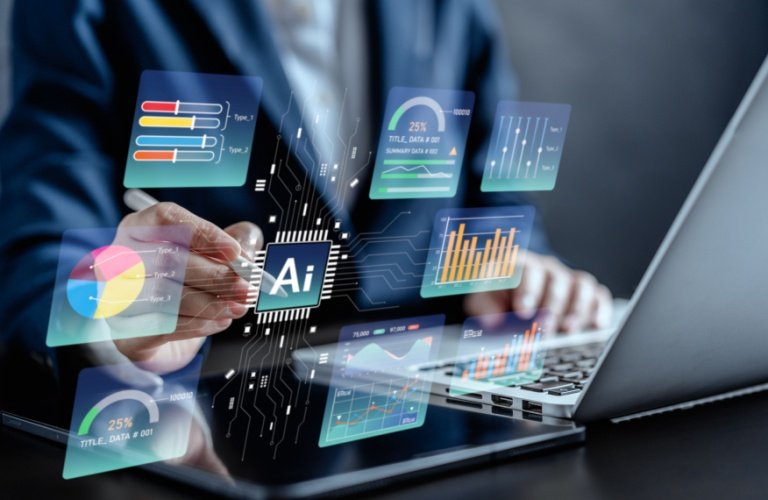
Instead of manually testing a large number of ads, marketers now use AI to analyse performance in real time and automatically adjust campaigns. This reduces unnecessary advertising expenditure and boosts return on investment. AI can also predict which users are more likely to convert, allowing businesses to focus their budgets more effectively
Customer Support and Engagement Powered by AI
Chatbots and virtual assistants driven by AI in digital marketing. In 2026, these tools are far more advanced than simple automated responses. They understand context, learn from conversations, and provide meaningful assistance to users.
AI chatbots help businesses respond to consumer questions, guide them through products and services, and support sales processes. This speeds up response times and ensures customers get help anytime. AI support tools provide small businesses with access to high-quality customer care at reasonable prices.
When implemented correctly, AI improves user satisfaction rather than replacing human interaction. Complex issues are still handled by humans, while AI manages routine tasks efficiently.
Data-Driven Decision Making With AI
Digital marketing in 2026 is heavily data-driven, and AI plays a central role in analysing and interpreting data. Marketers now have access to large volumes of information, including website traffic, user behaviour, social media engagement, and conversion data.
AI tools process this data quickly and provide actionable insights. Instead of manually analysing reports, marketers receive recommendations on what to improve, what content to create next, and which channels are performing best. This allows businesses to adapt faster and stay competitive in a rapidly changing digital landscape.
Ethical Challenges and Responsible Use of AI
Although AI has many benefits, there are ethical concerns as well. AI in digital marketing has changed the role of digital marketers. Concerns regarding data privacy, transparency, and content authenticity are becoming more prevalent in 2026. People are more aware of how their data is used, and data protection laws are always changing.
Digital marketers need to use AI responsibly. This means maintaining transparency in AI-powered interactions, avoiding misleading content, and safeguarding user privacy. AI abuse can harm a brand’s reputation, and trust is still essential to digital marketing success.
Companies are more likely to establish long-term credibility if they strike a balance between innovation and ethical responsibility
The Future of Digital Marketing With AI
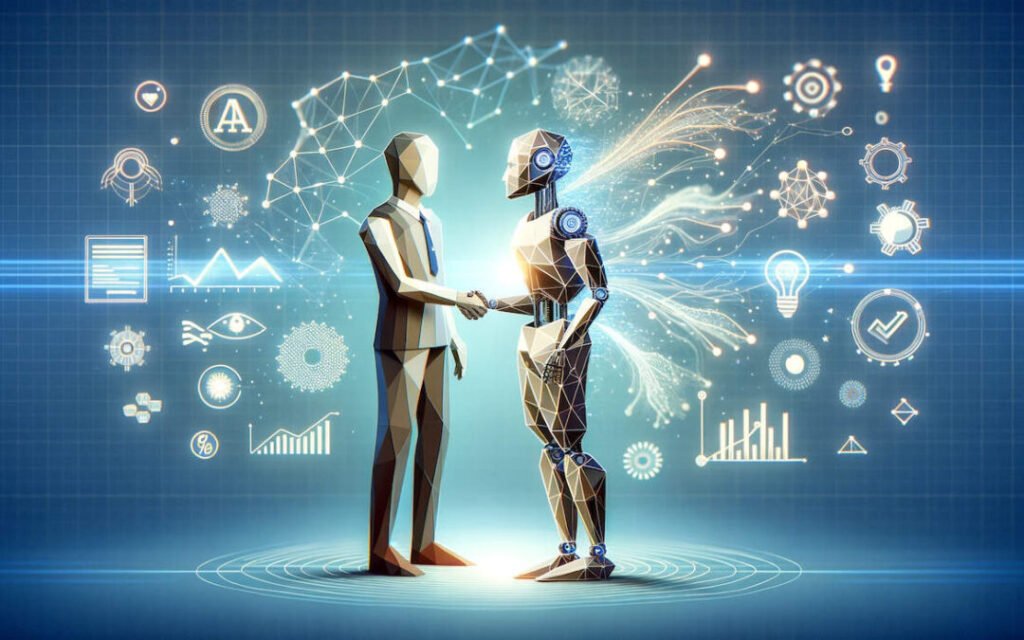
Beyond 2026, AI will continue to influence digital marketing, but human skills will still be crucial. It is impossible to automate strategy, creativity, empathy, and critical thinking. Marketers who know how to collaborate with AI rather than compete with it are the most successful.
The best way for professionals, interns, and students to get ready for the future is to learn fundamental marketing concepts along with AI-driven tools. Making better decisions is now more important in digital marketing than putting in more effort.
Conclusion

AI in digital marketing is changing 2026. It makes marketing more efficient, personal, and helpful for decision-making. From SEO and content creation to advertising and customer engagement, AI helps marketers create better experiences while saving time and resources. However, success depends on combining AI technology with human creativity and ethical responsibility. Companies that understand this balance will stay competitive and build stronger, more trusted brands in the digital landscape.AI in digital marketing is no longer optional for growth in 2026.