SEO vs Google Ads is one of the most common questions website owners ask in 2026 when trying to grow traffic.? Both appear in search results, promise visibility, and have the potential to boost traffic. But over time, they yield drastically different outcomes and function completely differently.

Understanding the difference between SEO and Google Ads is essential, especially for businesses, independent contractors, and artists who would rather have consistent website traffic than intermittent spikes. You could lose money, time, or both if you make the wrong choice.
How Google Ads Brings Traffic
Google Ads is a paid traffic method. When someone searches for a keyword, businesses can pay to appear at the top of the results instantly. As soon as a campaign is launched, traffic can start flowing to the website.
This immediate visibility is the biggest advantage of Google Ads. It is useful for promotions, new product launches, seasonal offers, or businesses that need fast results. In competitive markets, ads can put a website in front of users who are ready to take action.
However, Google Ads traffic comes with a clear limitation. The moment the budget stops, the traffic stops as well. There is no lasting benefit once the campaign ends. In 2026, rising competition has pushed cost-per-click higher, making Google Ads increasingly expensive for small businesses and beginners.
How SEO Builds Website Traffic
SEO works differently. Instead of paying for each visitor, SEO focuses on optimising content and website structure so search engines rank pages organically. SEO traffic does not appear overnight, but when it does, it tends to stay longer.
In 2026, SEO is no longer about keyword repetition or technical tricks. Search engines now focus on search intent, content usefulness, and user experience. Pages that genuinely answer questions, solve problems, and keep users engaged are rewarded with better visibility.
SEO traffic compounds over time. A single well-optimised article can bring consistent website traffic for months or even years without ongoing ad spend. This makes SEO a long-term investment rather than a quick solution.
Cost Comparison: SEO vs Google Ads
The cost difference between SEO and Google Ads is one of the most important factors. Google Ads requires continuous spending. Every click costs money, and prices increase as more advertisers compete for the same keywords.
SEO, on the other hand, requires time and effort rather than direct payment per click. The main investment is content creation, optimisation, and consistency. While SEO tools or expertise may involve some cost, the traffic itself is not paid for.
For websites with limited budgets, SEO is usually more sustainable. Google Ads can deliver quick results, but SEO delivers lasting value.
Traffic Quality and User Trust
The quality of the traffic, rather than the volume, has been seen as important lately. Furthermore, in 2026, users are more aware of sponsored ads than ever before, avoiding ads and trusting the organic results for their searches, especially for products and services.
Generally speaking, SEO traffic relates to increased levels of trust, considering the fact that the intended audience tends to return, make more clicks, and stay for longer when they click the organic result link.
Although the quality of traffic from Google Ads is usually very good, as indicated by the high conversion rate of this traffic, it also includes users who are simply researching their options.
SEO vs Google Ads for Beginners
Again, for a beginner, SEO is generally a safer bet to start with. This is because it helps build basic skills, improves content quality, and builds long-term traffic sources. Newbie pay-per-click advertisers who bypass SEO altogether often struggle because they have not grasped basic keyword and audience fundamentals. SEO also helps to teach the value of patience and planning. Moreover, it helps to understand what users really want to find, and hence, improves ad response if Google Ads are used later on.
From my personal experience in examining patterns of traffic and experimenting with web marketing techniques, I have found that SEO is more effective for generating lasting growth compared to paid advertising.
Which Strategy Works Better in 2026?
There isn’t a clear winner between Google Ads and SEO in 2026. Each has a distinct function. Google Ads is most effective for short-term objectives and instant visibility. For long-term authority and steady website traffic, SEO is most effective.
Budget cuts hurt websites that solely use Google Ads. Even during these slow times, websites that make SEO investments continue to see traffic. Google Ads serves as a supplementary tool to SEO, which forms the basis of the most effective digital strategies.
Why SEO Is More Valuable for Website Growth
SEO does not just bring in traffic; it also enhances the quality of a website’s information architecture, content, and user experience. Improvements in these areas are universally beneficial, not just to search engine visitors.
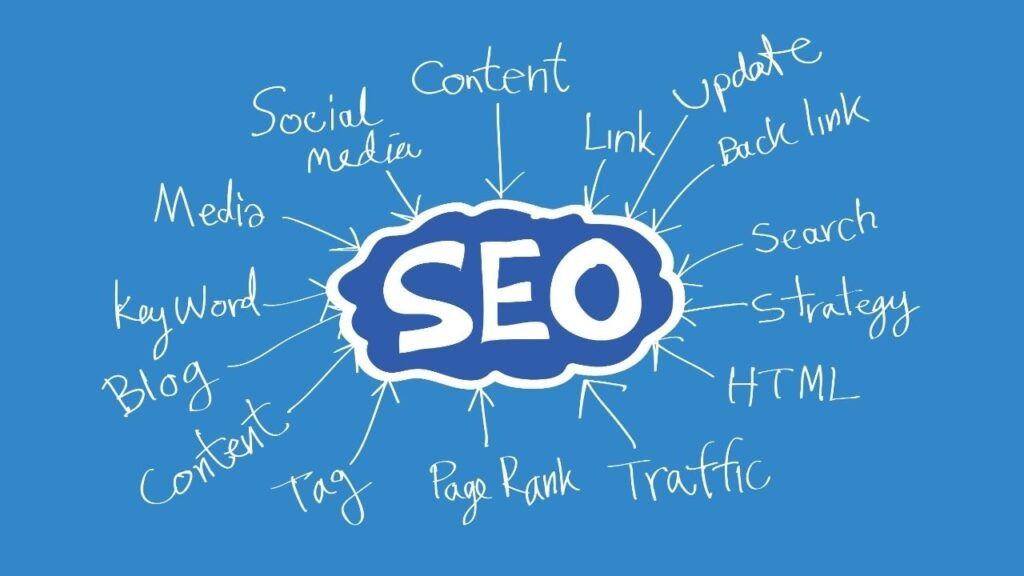
Another important reason that SEO benefits organizations is that it helps create a sense of credibility. This is because ranking organically helps to establish the organization’s authority, and it is difficult to pay for such authority through advertisements. Such authority helps to create a sense of loyalty that is hard to
The Smart Approach to Traffic in 2026
The intelligent strategy lies in understanding timing and objectives. For instance, your website may need visibility fast, and Google Ads can be used for that purpose. However, your website needs traffic growth over time, and SEO has to be used for that purpose. The website can’t be optimized using one strategy without understanding the other, or it will not yield the desired results.
Website traffic in 2026 is basically about balance, not shortcuts. Reliable traffic is actually achieved through creation first and then using paid advertising strategically.
Final Thoughts
The difference between SEO and Google Ads is more than just the pace or the cost: it’s a mindset. One drives attention by buying it, the other by earning it. And that’s especially true in 2026, when websites that earn attention by creating useful content, being clear about their intent, and continually optimizing their search engines build sustainable traffic. While Google Ads assists, SEO remains the backbone of a website’s visibility.